
Database Migration
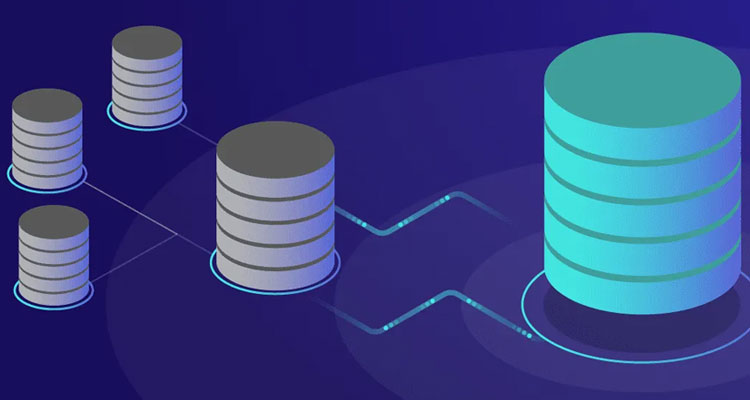
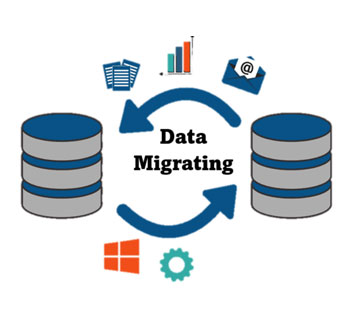
Database Migration is the process of transferring data, metadata, and schema from one or multiple source databases to one or more target databases. This is typically done using a database migration service or software/tools.
Once migration is complete, the dataset from the source databases is fully transferred, possibly with restructuring, to the target databases. Following migration, clients accessing the source databases are redirected to the target ones, and the source databases are deactivated.
There are several reasons for migrating from one database to another. For example, a business might want to create a reliable backup of its existing data as part of a broader strategy to improve resilience and business continuity and minimize downtime. Or maybe they want to save resources by switching to a cloud-based database. Similarly, another organization might want to migrate to another database because they find it more suitable for their unique business needs.
Simplicity and Usability : Reduces the need for specialized coding expertise, making the migration process more accessible to business users and teams.
Speed: Automation shortens migration timelines significantly.
Why do businesses migrate databases?
Database migration is fundamentally driven by an organization’s need to adapt to evolving technological, operational, and strategic requirements, such as:
Modernization of technology
When legacy databases no longer support the advanced features or integrations critical in today’s technology ecosystems, businesses migrate to a database that enables enhanced performance, scalability, and compatibility with current technologies.
Infrastructural changes
Organizations may decide they must shift from on-premises systems to cloud-based platforms or move between cloud providers. Both these scenarios necessitate database migration to align the infrastructure with new operational models and reduce dependency on outdated hardware.
Cost Optimization
Over time, the cost of maintaining older database systems becomes prohibitive, particularly if licensing fees or operational expenses are high. Migrating the database in this case aligns IT budgets with business priorities.
By migrating to a cloud database, businesses can avoid significant upfront investments in hardware, infrastructure, and maintenance. The cloud enables businesses to leverage pay-as-you-go models, requiring payments only for the resources used. Cloud databases also offer cost-effective storage and computing options, allowing organizations to optimize their data storage and processing costs. Maintenance, updates, and security measures are bundled as part of the overall solution, further reducing the need for in-house IT resources and associated costs.
Beyond these needs, businesses also undertake database migration to benefit from:
Improved Performance
Database migration improves performance by optimizing hardware and infrastructure, optimizing database design and indexing strategies, segmenting and partitioning data, and utilizing advanced database features. These optimizations result in faster data retrieval, reduced query execution times, and improved overall database performance.
Advanced Features and Functionality
Database migration enables organizations to leverage the advanced features and functionality provided by the new system. This may include support for new data types, improved data analytics, better concurrency control, built-in support for high availability, and disaster recovery.
Data Consolidation
In scenarios where multiple databases exist within an organization, migrating them into a single database helps consolidate data. This consolidation simplifies data management, reduces duplication of data, improves data integrity, and enables better analytics and reporting capabilities across the organization.
Business Continuity and Disaster Recovery
By migrating data to secure infrastructure, businesses minimize the risk of data loss and ensure quick data recovery in the event of an unexpected incident or disaster. Cloud-based data storage and backup solutions provide built-in redundancy, ensuring data availability even in the face of hardware failures or natural disasters. Regular backups and disaster recovery plans, implemented as part of the data migration process, enable organizations to restore critical data and resume operations swiftly, minimizing downtime and potential financial losses.
Database migration strategies and types
Multiple database migration strategies exist, and organizations must conduct thorough due diligence to select the most appropriate one. As a rule of thumb, the choice of strategy should align with the organization’s objectives, technical environment, and tolerance for downtime. Before proceeding with the migration, businesses must evaluate factors such as the complexity of the new database, the compatibility between the source and target systems, and the expected performance improvements.
Common strategies include :
Big Bang database migration
With the Big Bang approach to database migration, businesses aim to transfer all data in a single, one-off event. This type of database migration requires a downtime window during which the old system is taken offline, and the new system is brought online once the migration is complete. While this database migration method minimizes the overall duration of the migration process, it carries significant risks, including potential data loss, unforeseen technical issues, and extended downtime if problems arise.
Phased database migration
When businesses need to transfer data gradually in smaller, more manageable batches, when extended downtime is not an option, they resort to the phased database migration approach. The main advantage of this strategy is that businesses can continue to operate during the migration process. Phased migration offers greater flexibility and lowers risk compared to the Big Bang approach. However, it requires careful planning to synchronize the systems, manage dependencies, and ensure data consistency across both environments.
Phased database migration is also referred to as trickle database migration as the data is moved incrementally over time, allowing organizations to migrate portions of the database while the source system remains operational.
Re-platforming
In scenarios where the goal is to improve performance, scalability, and cost efficiency by leveraging the features of the new platform without undertaking a complete redesign of the database or application, businesses adopt the re-platform strategy. Re-platforming refers to moving a database from one platform to another while making minimal changes to the application’s architecture or code. A common example of re-platforming is migrating from an on-premises database to a managed cloud database with schema optimizations.
Refactoring (Re-architecting)
Refactoring is a more intensive database migration strategy that modifies the database schema, queries, and possibly the application code to align with modern practices and take full advantage of the target platform. A business would typically consider refactoring when migrating from legacy systems to modern databases, such as transitioning from a monolithic on-premises database to a cloud-native distributed database or shifting from relational databases to NoSQL databases.
Lift-and-shift migration
As the name suggests, the entire database is transferred as is from source to target system without any major changes to the schema and data structure. A lift-and-shift database migration can be implemented using either Big Bang or phased approaches, depending on the organization’s requirements and constraints.
Replication-based database migration
Replication-based migration involves moving data continuously from the source database to the target database in near real-time or in scheduled intervals. It is often employed when moving to cloud databases, upgrading database versions, or transitioning to distributed architectures. The approach uses a replication mechanism—such as change data capture (CDC)—to detect changes in the source database and apply them to the target database.
Replication-based migration is also called a zero-downtime database migration because it continuously synchronizes the source and target databases in real time, allowing the source system to remain fully operational throughout the migration process.

